About Zombie

How The Zombie Theory investigates media, memory, and influence to reveal what’s colonizing your mind.
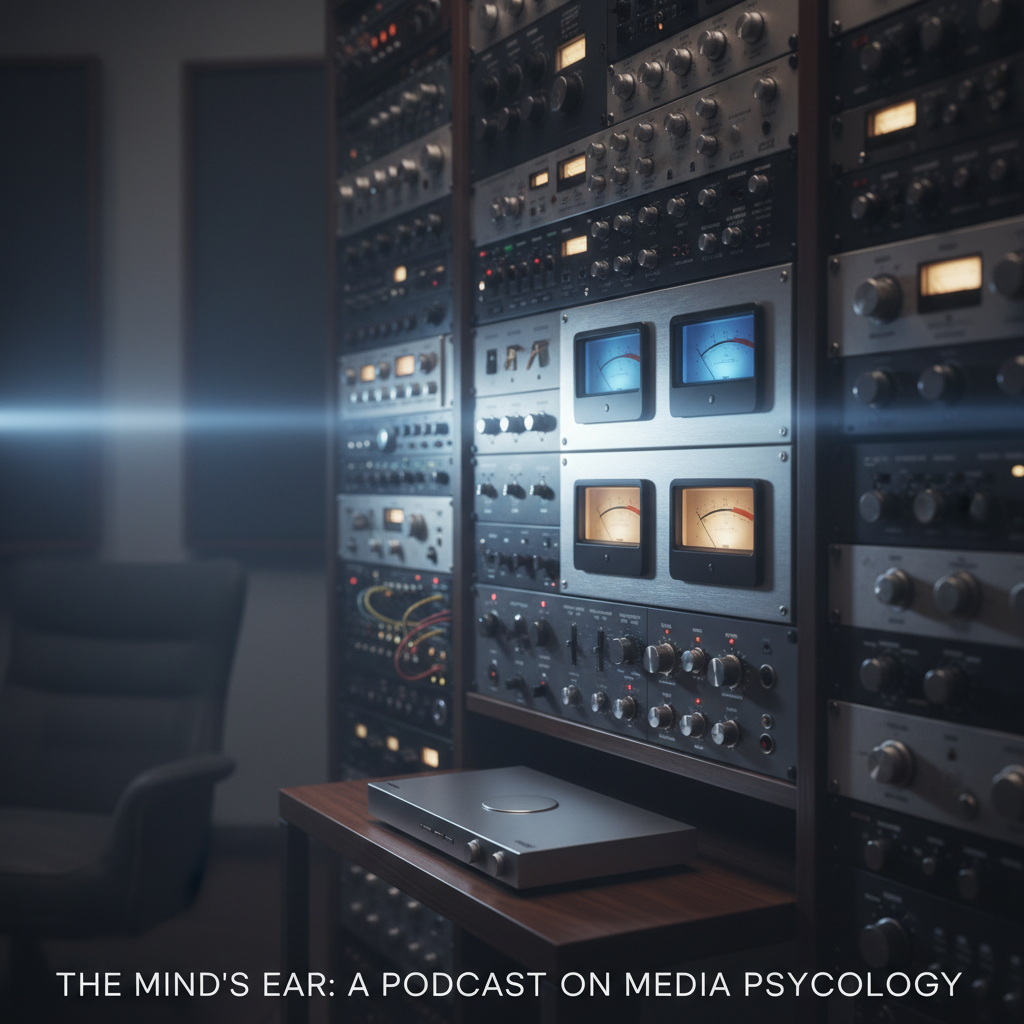
A dense wall of vintage and modern audio equipment in a dim listening room, featuring brushed metal amplifiers, illuminated vu meters, and a minimalist digital recorder resting on a dark walnut shelf. The devices’ surfaces show faint fingerprints and hairline scratches, hinting at constant use. A narrow beam of cool, side lighting cuts across the scene, catching the glass of the meters and creating thin reflections on the knobs, while the surroundings fade into a muted blur. Shot at eye level with a cinematic, wide aspect ratio, the mood is analytical and contemplative, evoking deep, critical listening and a podcast that dissects how media shapes the mind.
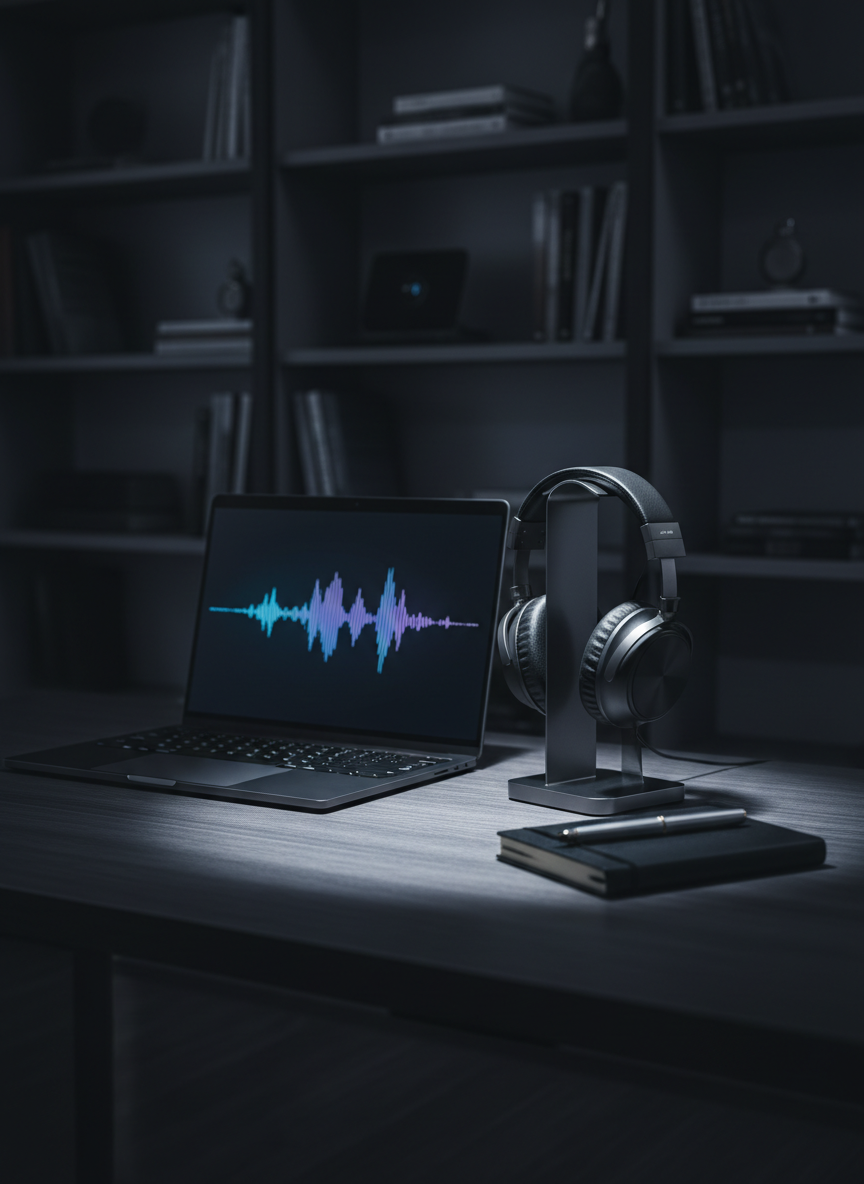
A meticulously arranged desk setup in a shadowy, modern study, featuring a slim, dark laptop displaying an abstract waveform, high-end over-ear headphones resting on a brushed steel stand, and a small black notebook with a pen aligned precisely beside it. The desk surface is charcoal-toned wood with a subtle grain, set against a backdrop of tall, indistinct shelves fading into darkness. Soft, cool desk-lamp light pools across the work area, leaving the edges in deep shadow, creating an investigative, almost cinematic thriller atmosphere. Captured from a slightly elevated angle with a shallow depth of field, the composition emphasizes focus, intellect, and a sophisticated approach to podcast research and production.

Your Mind Mirrors Your Media

The Zombie Theory is a documentary‑style podcast unpacking how songs, streams, and scrolls reprogram attention, beliefs, and identity, using research, reporting, and Brain Rot Ratings to help you choose what deserves space in your head.

The Hosts
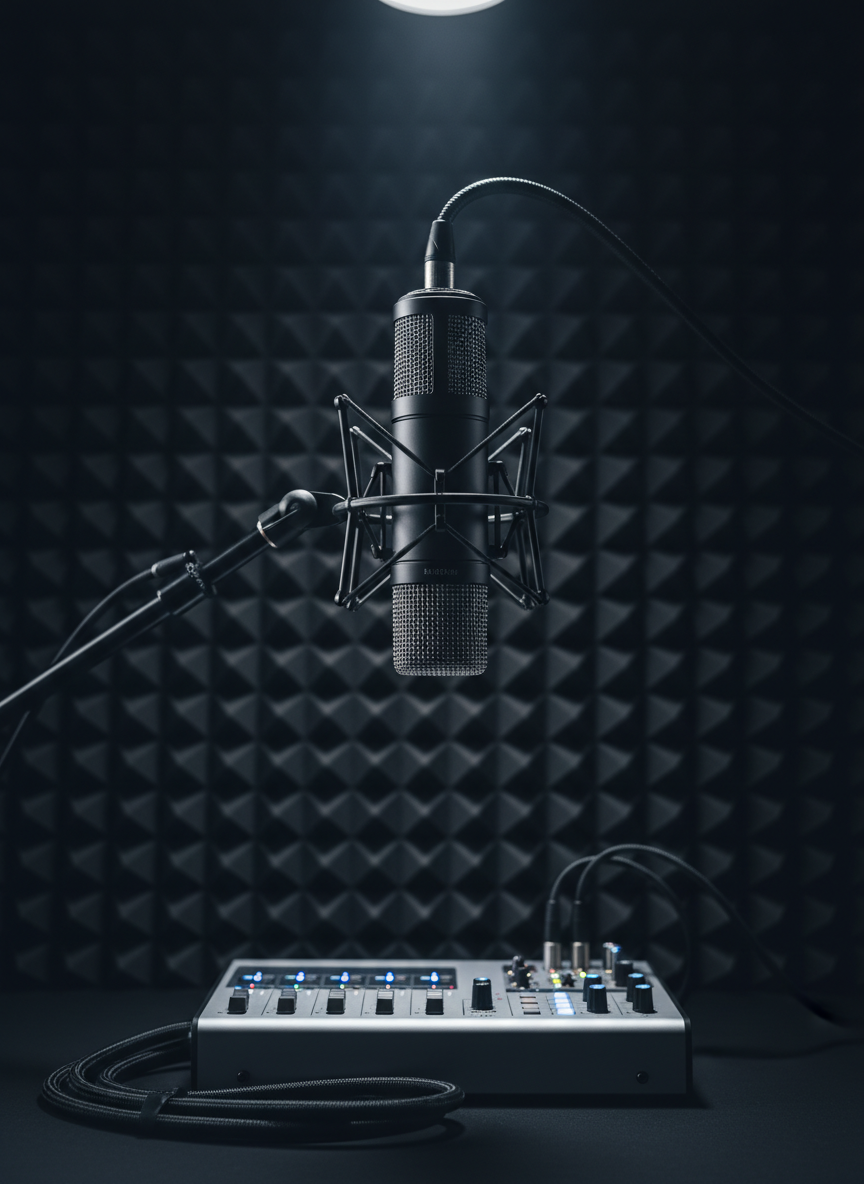
A sleek, high-end studio microphone suspended in front of a dark, textured acoustic panel, its matte black metal body and fine mesh grille rendered with meticulous detail. Coiled audio cables snake into a minimalist mixing console below, with small indicator lights glowing softly. The scene is lit by a single, cool, overhead spotlight that carves out dramatic highlights along the microphone’s contours and leaves the background in subtle shadow. Captured in cinematic, photographic realism from a slightly low angle, the composition centers the microphone with a shallow depth of field, suggesting serious, investigative audio work and a premium, sophisticated podcast production environment.

Aarav Sharma

CEO

Host and creator, blending neuroscience, media history, and storytelling to decode how culture rewires perception.

A dense wall of vintage and modern audio equipment in a dim listening room, featuring brushed metal amplifiers, illuminated vu meters, and a minimalist digital recorder resting on a dark walnut shelf. The devices’ surfaces show faint fingerprints and hairline scratches, hinting at constant use. A narrow beam of cool, side lighting cuts across the scene, catching the glass of the meters and creating thin reflections on the knobs, while the surroundings fade into a muted blur. Shot at eye level with a cinematic, wide aspect ratio, the mood is analytical and contemplative, evoking deep, critical listening and a podcast that dissects how media shapes the mind.

Mateo García

CTO

Producer and researcher, curating studies, sound design, and archival clips that ground each investigation.

A meticulously arranged desk setup in a shadowy, modern study, featuring a slim, dark laptop displaying an abstract waveform, high-end over-ear headphones resting on a brushed steel stand, and a small black notebook with a pen aligned precisely beside it. The desk surface is charcoal-toned wood with a subtle grain, set against a backdrop of tall, indistinct shelves fading into darkness. Soft, cool desk-lamp light pools across the work area, leaving the edges in deep shadow, creating an investigative, almost cinematic thriller atmosphere. Captured from a slightly elevated angle with a shallow depth of field, the composition emphasizes focus, intellect, and a sophisticated approach to podcast research and production.

Zuri Ndlovu

Engineer

Culture critic connecting music, memes, and film to the psychological patterns shaping our daily choices.

A sleek, high-end studio microphone suspended in front of a dark, textured acoustic panel, its matte black metal body and fine mesh grille rendered with meticulous detail. Coiled audio cables snake into a minimalist mixing console below, with small indicator lights glowing softly. The scene is lit by a single, cool, overhead spotlight that carves out dramatic highlights along the microphone’s contours and leaves the background in subtle shadow. Captured in cinematic, photographic realism from a slightly low angle, the composition centers the microphone with a shallow depth of field, suggesting serious, investigative audio work and a premium, sophisticated podcast production environment.

Leila Haddad

Designer

Data analyst mapping listener behavior, platform algorithms, and trends into our Brain Rot Ratings framework.

Reviews

A dense wall of vintage and modern audio equipment in a dim listening room, featuring brushed metal amplifiers, illuminated vu meters, and a minimalist digital recorder resting on a dark walnut shelf. The devices’ surfaces show faint fingerprints and hairline scratches, hinting at constant use. A narrow beam of cool, side lighting cuts across the scene, catching the glass of the meters and creating thin reflections on the knobs, while the surroundings fade into a muted blur. Shot at eye level with a cinematic, wide aspect ratio, the mood is analytical and contemplative, evoking deep, critical listening and a podcast that dissects how media shapes the mind.

Aya Nakamura

This show made me audit my playlists and news feeds; it’s like a gripping true‑crime podcast about my own attention.

A meticulously arranged desk setup in a shadowy, modern study, featuring a slim, dark laptop displaying an abstract waveform, high-end over-ear headphones resting on a brushed steel stand, and a small black notebook with a pen aligned precisely beside it. The desk surface is charcoal-toned wood with a subtle grain, set against a backdrop of tall, indistinct shelves fading into darkness. Soft, cool desk-lamp light pools across the work area, leaving the edges in deep shadow, creating an investigative, almost cinematic thriller atmosphere. Captured from a slightly elevated angle with a shallow depth of field, the composition emphasizes focus, intellect, and a sophisticated approach to podcast research and production.

Mateo García

Smart, unsettling, and oddly hopeful—The Zombie Theory explains the algorithms shaping culture without dumbing anything down or drifting into conspiracy.